
Sleep apnea is a common sleep disorder in which breathing repeatedly stops and starts during sleep. Because untreated sleep apnea can affect sleep quality and overall health, people often look for natural ways to manage their symptoms. Essential oils are sometimes promoted as a way to improve breathing or encourage better sleep, but can they actually help with sleep apnea?
The short answer is that essential oils should not be considered a treatment for sleep apnea. While certain scents may help some people relax, there isn’t strong evidence that essential oils can prevent the airway blockages or breathing interruptions associated with obstructive sleep apnea.
Why Do People Use Essential Oils?
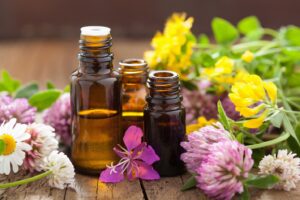
Essential oils from plants such as lavender, peppermint, eucalyptus, and other aromatic plants are commonly used in aromatherapy. Some people find certain scents relaxing, and relaxation may make it easier to prepare for sleep.
For example, lavender aromatherapy is sometimes used to promote relaxation and improve perceived sleep quality. However, feeling more relaxed isn’t the same as treating sleep apnea.
Sleep apnea involves physical and physiological factors that can interfere with normal breathing during sleep. Aromatherapy cannot reliably correct these underlying problems.
What About Oils That May Help You Breathe?
You may have seen claims that peppermint or eucalyptus oils can open nasal passages or improve nighttime breathing. Some scents may create a temporary sensation of easier breathing, particularly when nasal congestion is present.
However, a clearer-feeling nose doesn’t necessarily mean that an obstructed airway has been corrected. In obstructive sleep apnea, the throat and upper airway can become blocked or collapse during sleep.
Can Essential Oils Be Used Safely?
If you enjoy aromatherapy, talk with your healthcare provider about whether it’s appropriate for you. Never swallow essential oils unless specifically directed by a qualified medical professional and follow product instructions for topical or aromatic use.
Some essential oils can irritate the skin or respiratory system, and concentrated oils can be harmful if used improperly. Extra caution may be appropriate for children, pregnant individuals, and people with certain respiratory conditions or allergies.
If you regularly snore loudly, wake up gasping or choking, experience morning headaches, or feel excessively tired during the day, talk with your dentist about being evaluated for sleep apnea. Depending on the type and severity of sleep apnea, treatment may include lifestyle changes, oral appliance therapy, positive airway pressure therapy, positional therapy, or other approaches.
About the Author
Dr. Ann Ardovino practiced dentistry for more than 18 years before pivoting to spending 100 percent of her time treating patients with sleep apnea. She has a dental degree from the University of Alabama School of Dentistry and trained at the American Academy of Dental Sleep Medicine, where she became a Diplomate. If you suspect you suffer from sleep apnea, contact us online for an appointment or call our Hoover office at (205) 346-1488.