
Obstructive Sleep Apnea Hoover
Learn About the Most Common Type of Sleep Apnea
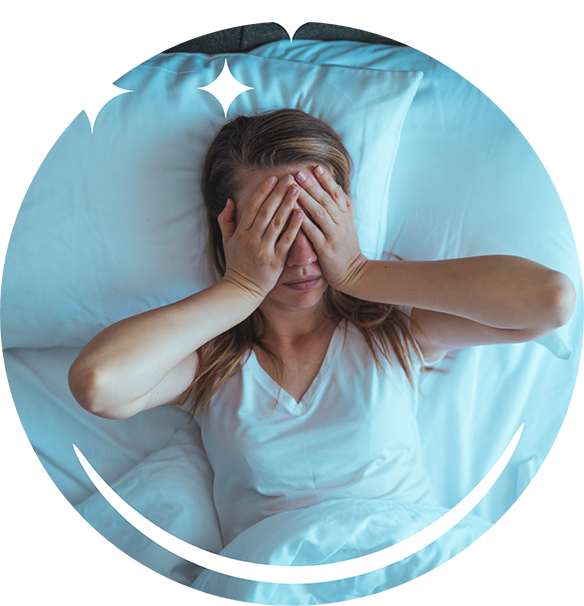
Obstructive sleep apnea (OSA) is the most common type of sleep apnea, affecting patients of all ages. In fact, studies estimate that between 9 and 38% of adults have OSA. If you experience chronic snoring, daytime fatigue, or wake up gasping for air, you may be exhibiting signs of OSA. We encourage you to call our office today to schedule a consultation with Dr. Ardovino and feel free to read this page to learn more about obstructive sleep apnea in Hoover.
Why Choose Alabama Dental Sleep and Wellness for Obstructive Sleep Apnea Treatment?
- Works Closely with Local Pulmonologists, Neurologists & Sleep Centers
- Personalized Attention & Expert Sleep Apnea Care
- Practice Solely Focused on Sleep Apnea & Snoring Treatment
What Causes Obstructive Sleep Apnea?
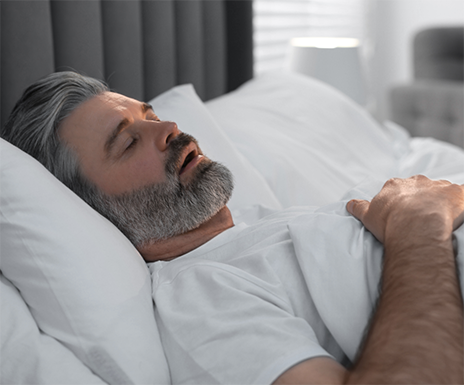
Obstructive sleep apnea is a sleep-breathing disorder that affects a person’s ability to easily breathe while they’re asleep. Someone with OSA experiences episodes throughout the night, also called apneas, where they stop breathing. This can occur up to 100 times in an hour, dramatically limiting the oxygen flow to the brain and preventing patients from entering deep sleep. This occurs when the soft tissues that surround the upper airway collapse, creating an obstruction. Drinking alcohol and/or eating a heavy meal before bed can also dramatically exacerbate symptoms of OSA by causing the tissues to relax even further, so even making small changes to your daily habits can help minimize the effects of OSA.
Possible Complications of OSA
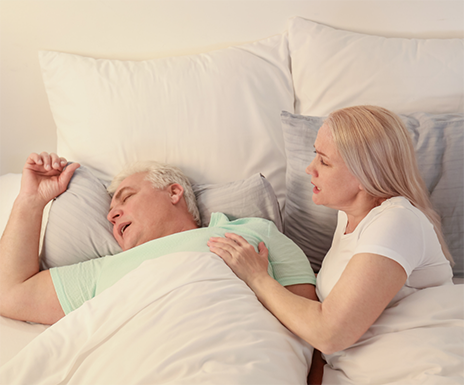
Obstructive sleep apnea has been connected to an increased risk of developing several different medical concerns, including heart disease, stroke, diabetes, and more. In addition, chronic fatigue and other effects of poor rest quality can increase your risk of on-the-job accidents, car accidents, and even impact your personal relationships. Our team offers a variety of treatment methods based on our findings to help you overcome the condition and rest a little easier.
Types of Treatment for Obstructive Sleep Apnea
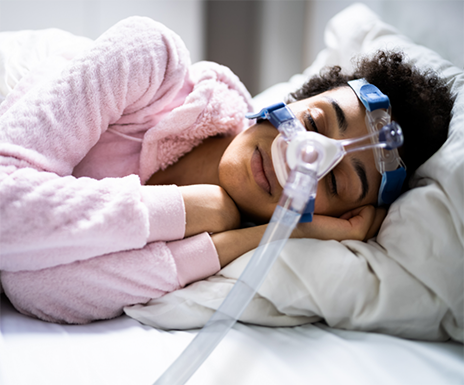
Understanding that every patient is unique, we offer personalized treatment plans tailored to your specific needs and lifestyle. Our treatments range from lifestyle changes, sleep hygiene practices to advanced dental appliances and collaboration with sleep physicians for CPAP therapy or surgery, depending on the severity of your condition.
Lifestyle Changes

For some people, making lifestyle changes can dramatically help alleviate symptoms. In collaboration with your sleep physician, we can help you decide which combination of changes are best for you. Below are some of the options that we may recommend to help with your sleep apnea:
- Change your sleep position. Sleeping on your back can increase the number of sleep apnea episodes. Switching to sleeping on your side can help alleviate this problem. In fact, there are devices that you can wear or pillows you can use to alert you if you are sleeping on your back.
- Avoid consuming alcohol. Alcohol consumption can make sleep apnea worse. If you consume alcohol regularly, cut back or stop your intake to reduce your sleep apnea symptoms.
- Lose weight. Being overweight can greatly increase your risk of sleep apnea. Believe it or not, but the tongue gains fat, which increases your sleep apnea. Weight loss must be done safely under the guidance of a professional. Work with your doctor to find a weight loss and exercise regimen that works for you. Losing weight can be especially effective if it’s combined with changing your sleep position.
CPAP
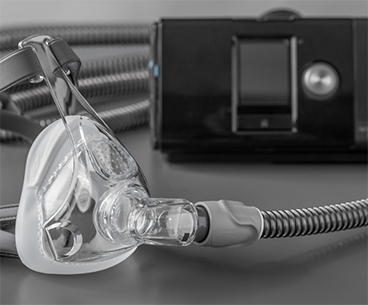
In cases of severe sleep apnea or with severe drops in oxygen, CPAP therapy, oral appliance therapy, or surgery will be needed. CPAP therapy involves wearing a mask over the nose and/or mouth while sleeping. The mask is connected to a machine that delivers continuous airflow, keeping the airway open. Most CPAP machines are now automated, which means the pressure is automatically adjusted to your needs!
Oral Appliance Treatment
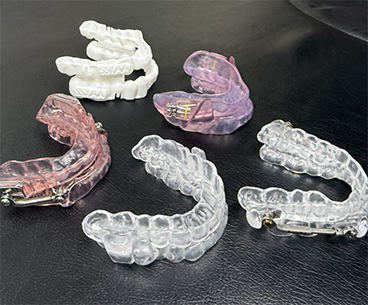
Dr. Ardovino’s focus is designing custom oral appliances for sleep apnea and snoring patients. These are made to fit comfortably over the teeth and slightly move the lower jaw forward, which naturally prevents the airway from becoming closed off. It consists of an upper and lower mouth piece with a mechanism to move the jaw forward, and each piece is adjustable.
Learn More About Oral Appliance Treatment
Combined Therapy
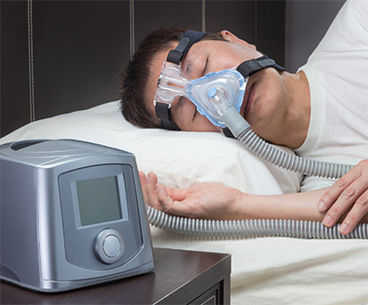
In some cases, patients may benefit the most from combined therapy, which utilizes both an oral appliance as well as an CPAP machine to deliver ample oxygen while you sleep and keep your airway unobstructed. You’ll wear both devices at the same time, but many patients find their CPAP machine more comfortable, as it doesn’t administer continuous airflow.
Surgery
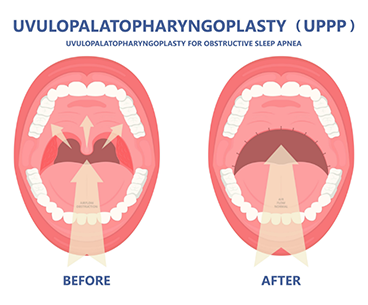
Procedures such as uvulopalatopharyngoplasty (UPPP), tonsillectomy, or nasal surgery may be considered when other ineffective treatments or anatomical issues are the primary cause of snoring. Implanting a device in your chest to stimulate movement of your tongue forward is another surgical option. Note that surgery is a last resort, typically only recommended when the snoring/sleep apnea and resulting oxygen deprivation or lifestyle endangerment is serious enough to warrant it. Other treatment options will be tried before surgery is recommended.